


Buy Residential Plots in Naujheel, Mathura – Your Gateway to Smart Land Investment
2026-05-04T09:13:40  read more
 read more
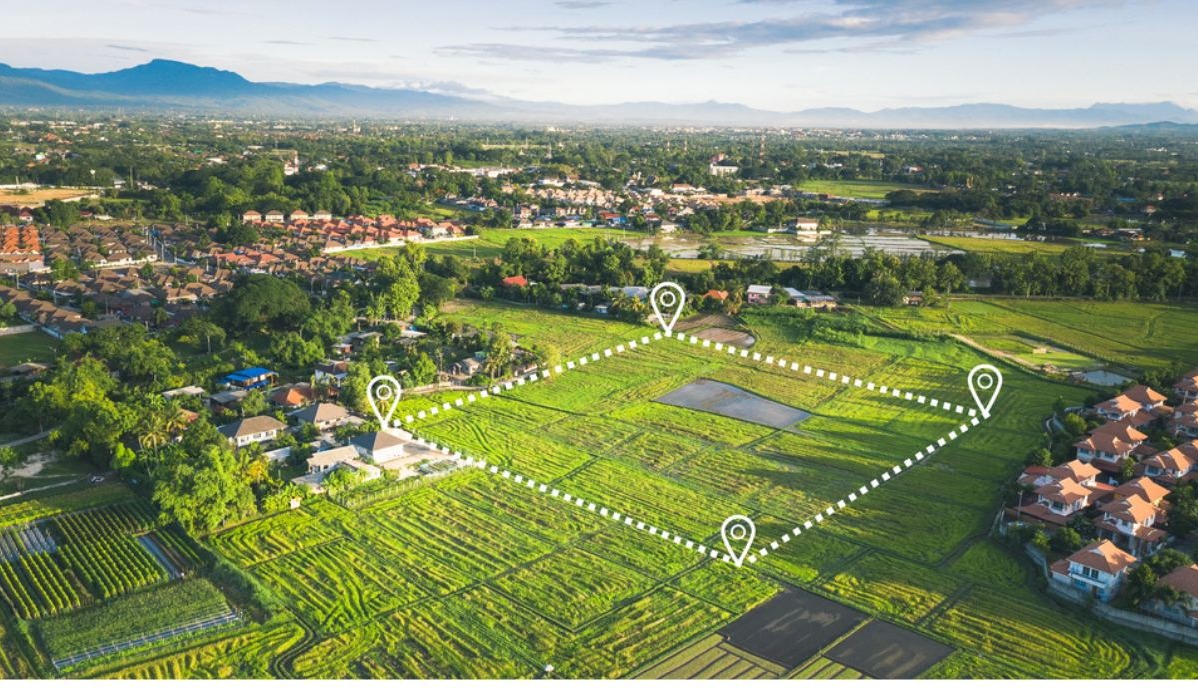

Why Residential Plots Are More Than Just “Land” When people talk about buying a home, the first image that usually comes to mind is a ready‑built apartment or a house with doors and windows already in place. But for many families, the real dream begins with something simpler: a quiet piece of land called a residential plot. A residential plot is a patch of land that has been legally approved for building homes—bungalows, villas, duplexes, or even small apartments—where families can live, grow, and create memories. Unlike agricultural or industrial land, it is meant for people, not crops or factories. What Makes a Residential Plot Special Residential plots are usually part of a planned layout—either a small colony, a housing society, or a larger township. They come with clear boundaries, approved road access, and basic infrastructure like water and electricity connections. This gives buyers a sense of security: they know they are not just purchasing dirt, but a future home site. For many, a residential plot is attractive because it offers freedom of design. Instead of adjusting to a builder’s floor plan, you can decide room sizes, the position of the kitchen, the garden layout, and even the style of the façade. This level of control is what makes plots feel more personal and emotionally rewarding. How People Use Residential Plots Today Over the last few years, residential plots have become about more than just “my own house.” Many families see them as: A long‑term asset – Land in growing localities tends to appreciate over time, so people buy plots as a safe investment for children, education, or retirement. A backup plan – Some purchase plots in emerging suburbs while living in an apartment, keeping the option to move out in the future when peace and space matter more. A source of rental income – After constructing a house, families sometimes rent out a portion (like a 1‑BHK or a servant quarter) to generate extra monthly income. Even builders and developers often start by acquiring plots in upcoming areas, then convert them into small housing projects once connectivity and demand improve. Choosing the Right Residential Plot Picking a residential plot is not just about size or price; it’s about fitting your lifestyle. A young couple might look for a plot that’s close to their workplace and has easy access to healthcare and schools. A retired couple may prefer a quieter corner of a layout, away from main roads but still within reach of hospitals and markets. Key factors people usually check before buying include: Legal clarity – Is the plot free of disputes, with clear title and proper approvals? Location – Is it near essential facilities without being too noisy? Connectivity – Are there good roads, buses, metro, or upcoming infrastructure projects nearby? Future potential – Is the area likely to grow in the next 5–10 years due to new roads, offices, or schools? For many, a residential plot is like planting a sapling in the hope of a future shade tree: it takes time, but the long‑term comfort is often worth the wait. Residential Plots vs Other Types of Land Land can be broadly divided into residential, commercial, industrial, and agricultural. Residential plots fall under the first category, meaning they are meant for homes and related facilities like parks, schools, and local markets. Commercial plots are reserved for shops, offices, and malls; industrial plots for factories and warehouses; and agricultural plots for farming. Mismatching the purpose can lead to legal issues, so buyers are usually advised to verify the approved land use before investing. The Emotional Side of Owning a Plot Beyond numbers and documents, owning a residential plot often carries emotional weight. For first‑time buyers, standing on an empty plot and imagining where the living room will be, or where children will play, can feel like stepping into a brighter chapter of life. For families handing over a plot to the next generation, it becomes a symbol of stability and continuity. It tells a story not of speculation alone, but of roots, security, and a place where shared memories can be built.
We hate spam too.


